
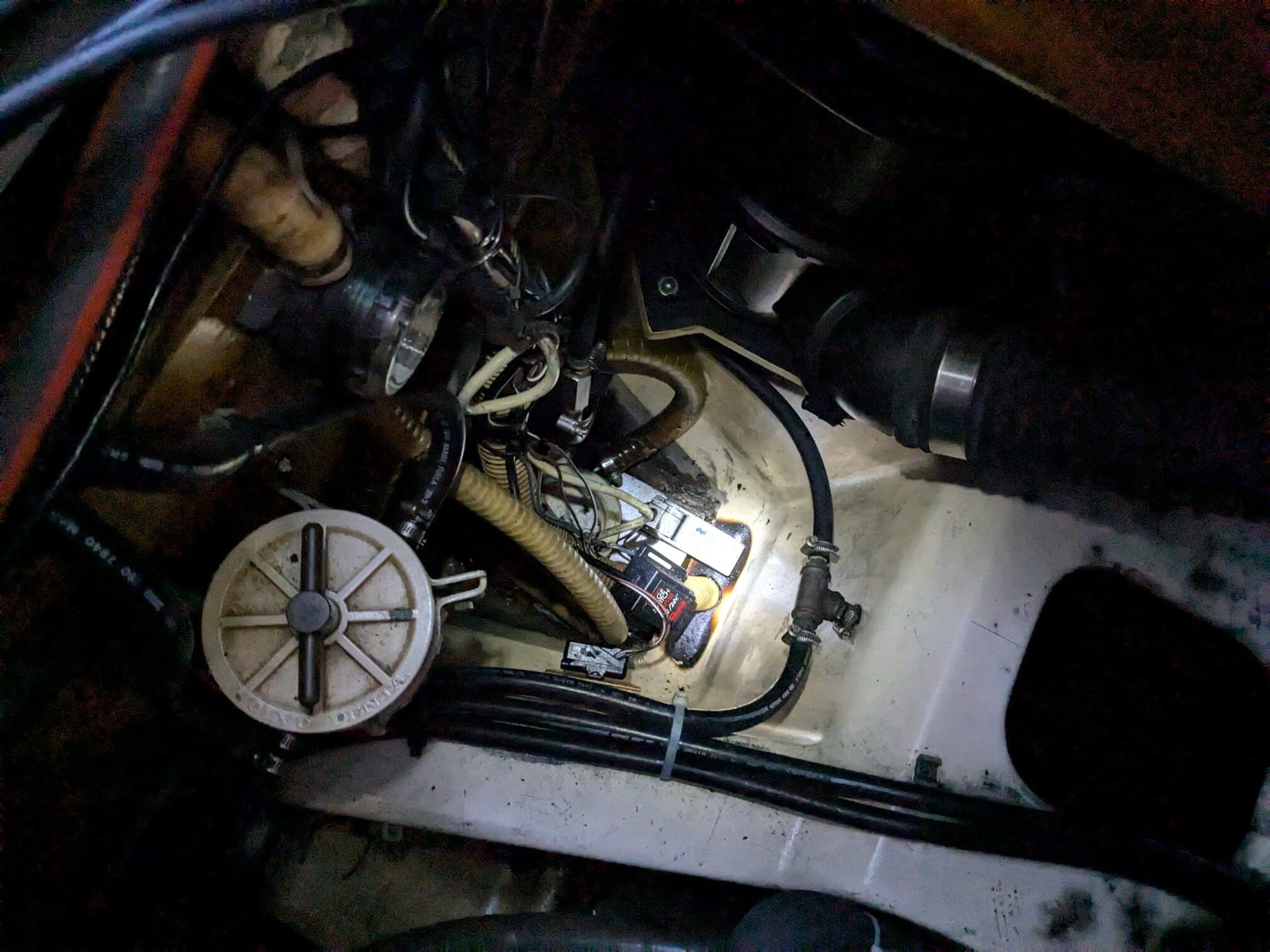
Signs Your Boat's On-Board Plumbing Needs Repair
The clearest signs of failing marine plumbing are persistent odors, slow or gurgling drains, visible corrosion on fittings, and noticeably low water pressure at the tap or shower. Catching these symptoms early keeps a manageable repair from turning into a full system replacement. If you notice any combination of these warning signs, a professional inspection of your on-board plumbing is the right next step. Learn more about On-Board Plumbing.
Why Marine Plumbing Fails Faster Than You Expect
Saltwater exposure, constant vibration, and the humid conditions inside a boat hull create an environment that degrades plumbing components far more quickly than household systems. Hoses stiffen and crack, through-hull fittings corrode, and sanitation lines develop pinhole leaks that are easy to miss until the smell becomes impossible to ignore. Charleston's warm, humid climate accelerates this process, especially for boats that sit in the water year-round. Understanding why failures happen makes it easier to spot the early symptoms before they escalate.
Six Common Symptoms of Failing Marine Plumbing
Any one of these signs warrants a closer look at your system.
Persistent Sewage Odor:
A rotten-egg or sewage smell that lingers even after pumping the holding tank usually points to a permeated sanitation hose or a leaking fitting. Sanitation hoses absorb waste gases over time and must be replaced, not cleaned.
Slow or Gurgling Drains:
Drains that empty slowly or make gurgling sounds often indicate a partial blockage, a collapsed hose, or a vented loop that has lost its seal. Left alone, slow drains can back up and introduce raw water or waste into the bilge.
Low or Inconsistent Water Pressure:
If your freshwater pump cycles constantly or pressure drops at the faucet, you likely have a small leak somewhere in the pressurized system, a failing pump diaphragm, or a partially blocked water strainer.
Visible Corrosion on Fittings:
Green or white buildup around bronze or brass fittings, and rust staining near stainless components, signals active corrosion. Corroded through-hull fittings are a serious safety concern and should be inspected immediately.
Water in the Bilge:
A bilge that fills faster than normal, especially when the boat is not in rough water, often traces back to a weeping hose clamp, a cracked hose, or a seacock that no longer seats properly.
Discolored or Foul-Tasting Water:
Brown or cloudy water from the freshwater tap points to a degraded tank liner, corroded fittings inside the tank, or a water filter that is well past its service life.
How Small Problems Compound Into Costly Repairs
Marine plumbing problems rarely stay isolated. A single leaking hose clamp introduces moisture that accelerates corrosion on nearby fittings, which then weakens the hose itself, which can eventually fail at a through-hull — a situation that can sink a boat at the dock. The interconnected nature of the system means that ignoring one symptom often means paying to repair several components later.
Sanitation system failures carry an additional risk beyond cost. Discharging untreated waste in South Carolina waters carries significant fines, and a failed holding tank vent or cracked sanitation hose can cause an accidental discharge even when you are doing everything right. Routine inspection of every hose, clamp, and fitting in the sanitation circuit is the most reliable way to stay compliant and avoid surprises.
- Inspect all hose clamps for rust and tightness at least once per season
- Squeeze sanitation hoses — stiff or brittle hoses are overdue for replacement
- Test every seacock by opening and closing it; a stuck seacock is a safety hazard
- Check the vented loop on your head for a functioning joker valve
When to Call a Mobile Marine Plumbing Technician
Some plumbing tasks — tightening a loose hose clamp or replacing a water filter — are straightforward for a handy boat owner. But work involving through-hull fittings, seacocks, holding tanks, or pressurized freshwater lines is best left to a technician with the right tools and experience. A mobile repair service can come to your slip or storage yard in the Charleston area, diagnose the full system, and make repairs without requiring you to haul the boat. Getting a professional set of eyes on the system at the first sign of trouble is almost always cheaper than waiting until a failure forces the issue. Our on-board plumbing service covers everything from sanitation lines to freshwater systems, so one visit can address the whole picture.
Related Guides
Previous: How to Avoid Getting Ripped Off on Boat Plumbing Repairs | Next: On-Board Plumbing Maintenance Guide for Boat Owners
Frequently Asked Questions
How do I know if my sanitation hose needs to be replaced?
The most reliable test is to wipe the outside of the hose with a clean cloth and smell it. If the cloth picks up a sewage odor, the hose has permeated and needs replacement regardless of how it looks. Stiff, brittle, or discolored hoses are also past their service life.
Can a bad smell in the cabin always be traced to the holding tank?
Not always. The odor can come from a permeated sanitation hose, a failed joker valve in the head, a dry P-trap in a sink or shower drain, or even a cracked vent fitting. A technician can pressure-test the system to pinpoint the source rather than guessing.
Is low water pressure always a pump problem?
Low pressure is often a symptom rather than a root cause. A pump that cycles constantly without building pressure usually points to a leak somewhere downstream. Check for wet spots under sinks, behind the water heater, and along any exposed hose runs before assuming the pump itself has failed.
How often should through-hull fittings be inspected?
Through-hulls and seacocks should be inspected at every haulout and exercised — opened and closed fully — at least twice a year. A seacock that has not been operated in years can seize in the open position, leaving you with no way to stop flooding if the hose above it fails.
What is a vented loop and why does it matter?
A vented loop is a high-rise section of hose in the head discharge line that prevents seawater from siphoning back into the boat when the head is not in use. A failed joker valve inside the loop is a common cause of both odors and unexpected water in the bilge, and it is an inexpensive fix when caught early.
Can I use regular plumbing parts to repair my boat's water system?
Standard household fittings are not rated for the vibration, pressure cycling, and saltwater exposure that marine plumbing endures. Using non-marine components can lead to premature failure and, in the case of through-hull work, a serious safety risk. Always use parts specifically rated for marine use.