
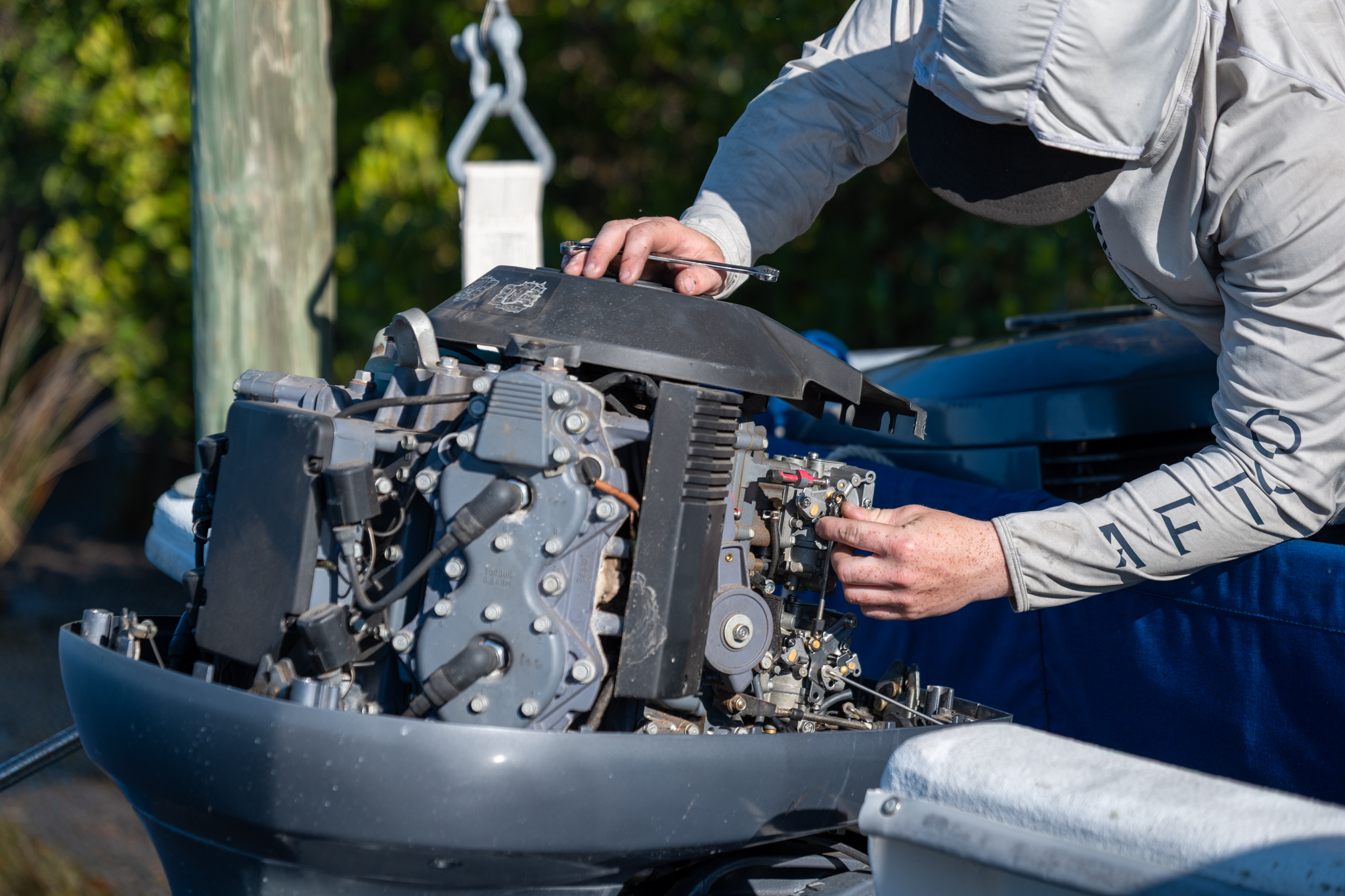
Every boat owner in Charleston Harbor understands the joy that comes from exploring our historic waterways, fishing in the harbor’s tidal creeks, or simply enjoying a sunset cruise. To keep those adventures safe and stress‑free, it’s important to maintain one of your vessel’s most vital systems: the engine. A neglected engine is more likely to break down, waste fuel, and develop costly problems. Whether you operate a small outboard skiff or a diesel‑powered inboard cruiser, the following guide will help you develop a maintenance routine that keeps your boat running smoothly in the saltwater environment of Charleston Harbor.
Understand Your Boat’s Engine
Before you start turning wrenches or changing fluids, take time to understand the specific engine powering your boat. Manufacturers include detailed maintenance schedules in their manuals for a reason. Inboards and outboards have different service intervals, and diesel engines require different care than gasoline engines. Familiarize yourself with the recommended oil change frequency, spark‑plug replacement intervals, and any manufacturer‑specific procedures. If you don’t have the manual, look it up online or contact the manufacturer; having the correct information is the foundation for proper maintenance.
Perform Pre‑Cruise Checks
A little attention before you leave the dock can save you a major headache on the water. Each time you prepare for a cruise, take a few minutes to inspect key engine components:
- Fuel system: Check fuel lines for cracks or leaks and inspect the primer bulb for pliability. Replace any lines that appear brittle or show signs of wear.
- Oil level and quality: Pull the dipstick to ensure the oil level is within the recommended range. Milkiness or a gasoline smell could indicate water intrusion or fuel dilution and should be addressed immediately.
- Cooling system: Examine hoses for softness or bulging, and make sure your sea strainer is clear of debris. Overheating is a common cause of engine damage, so a quick inspection can prevent trouble.
- Belts and pulleys: Look for glazing or fraying on belts. A loose or worn belt can leave you stranded when it breaks or slips under load.
- Battery and electrical connections: Confirm that battery terminals are clean and tight. Corroded terminals can cause voltage drops, hard starting, or complete failure.
These checks take only a few minutes and are especially important in a saltwater environment, where corrosion can accelerate the degradation of hoses and fittings.
Schedule Seasonal Maintenance
Charleston’s mild climate doesn’t mean you can ignore seasonal maintenance. Each season places different demands on your engine, and planning ahead will prolong its life.
- Spring: At the beginning of boating season, change the engine oil and replace the oil filter. Replace fuel filters and inspect the fuel tank for condensation that may have accumulated over the winter. Test your cooling system impeller; rubber impellers can become brittle over time and should be replaced annually.
- Summer: Mid‑season is the time to monitor your engine’s performance. Keep an eye on the operating temperature and oil pressure while underway. Rinse the engine thoroughly after each outing to remove salt buildup, and check your zinc anodes, which protect internal cooling passages from corrosion.
- Fall: As the season winds down, prepare your engine for cooler weather. Top off fuel tanks and add stabilizer to prevent fuel degradation. Inspect spark plugs and replace them if they show signs of fouling or wear. If you plan to store your boat, follow the manufacturer’s winterizing procedures to prevent freezing damage.
Combat the Saltwater Environment
Charleston Harbor’s brackish waters are charming but also tough on mechanical equipment. Saltwater accelerates corrosion and deposits salt crystals throughout the cooling system. Flushing your engine after each use is the single most effective way to protect it. If you have an outboard, use fresh water muffs or an on‑board flushing port to rinse salt from the cooling passages for at least ten minutes. For inboards, install a fresh water flush kit and run the engine long enough to replace the saltwater with fresh water. After flushing, spray a light coat of corrosion inhibitor on the powerhead, focusing on metallic components and fasteners. Check and replace sacrificial zinc anodes regularly; when the zinc is more than half consumed, it can’t protect your engine effectively.
Know When to Call a Professional
Even the most diligent do‑it‑yourselfer should recognize when a problem requires professional expertise. Persistent overheating, unusual knocking noises, or excessive vibration are signs that should not be ignored. Similarly, modern electronic fuel‑injected engines may require diagnostic tools to reset fault codes or perform software updates. Establish a relationship with a reputable local shop—like Charleston Harbor Boat Repair—so you have experienced technicians to call upon when major repairs or annual tune‑ups are needed. Professional service is especially valuable for tasks such as timing belt replacement, injector cleaning, and complex electrical troubleshooting.
Conclusion: Enjoy Stress‑Free Boating
Regular maintenance not only keeps your engine running efficiently but also gives you peace of mind when you’re miles from the dock. By understanding your engine’s needs, performing routine checks, scheduling seasonal service, and combating the effects of saltwater, you can reduce breakdowns and extend the life of your investment. For issues beyond basic maintenance, don’t hesitate to seek help from qualified technicians. With a bit of diligence, Charleston Harbor’s waterways will remain your playground, and your boat will be ready to whisk you away on countless adventures.