
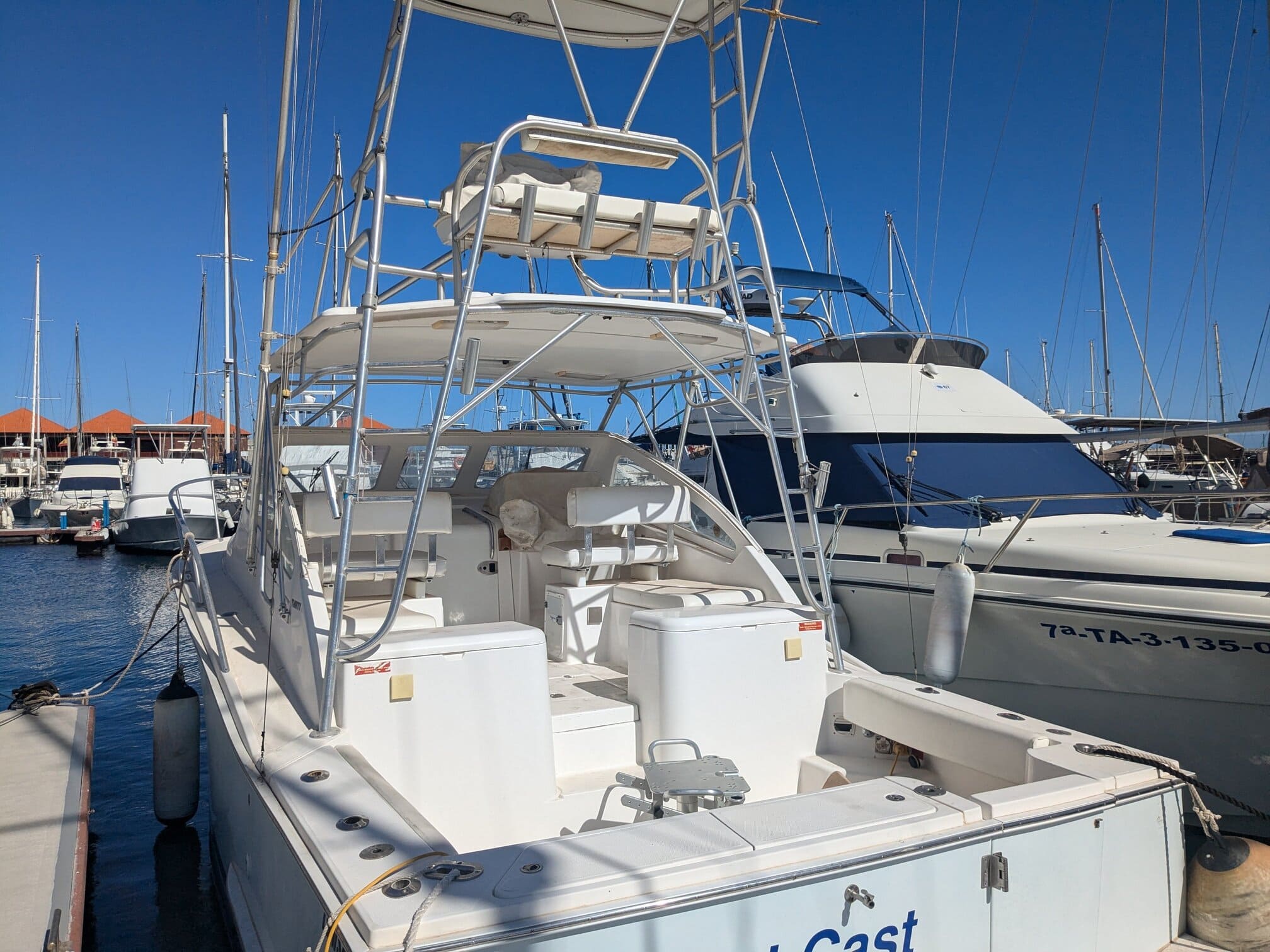
How to Prepare Your Boat for a Mobile Repair Visit
The single best thing you can do before a mobile technician arrives is clear physical access to the problem area and have your boat's documentation ready to hand over. Doing this shaves time off the diagnostic phase, which directly reduces your labor bill. A few minutes of preparation on your end can turn a two-hour appointment into a one-hour job. Learn more about Mobile Boat Repair Charleston.
Start With Access: The Technician's Biggest Time-Waster
Mobile repair is only as efficient as the access you provide. If your boat is on a trailer, position it so the technician can walk completely around it and open hatches without obstruction. If it is docked, make sure lines are tied in a way that lets the boat sit stable and level, and confirm the slip or dock gate is unlocked well before the appointment window. In Charleston's tidal waters, also consider the tide schedule — a low tide can make boarding difficult or put the waterline in an awkward position for hull work, so mention this when you book so the technician can plan accordingly.
Gather Your Documentation Before the Technician Arrives
A technician who can read the engine serial number, review the service history, and check the manufacturer's wiring diagram before touching a single bolt will diagnose the problem faster and order the right parts on the first try. Pull together your owner's manual, any past service records, and the boat's registration. If you have a warranty that might cover the repair, locate that paperwork too, because a mobile tech can often help you document the claim on the spot.
If you noticed the problem during a specific trip, write down a short description before the appointment: what the boat was doing, at what speed or RPM the symptom appeared, any warning lights or sounds, and how long the issue has been present. This context is more useful than you might think. Technicians often say that a clear symptom description cuts diagnostic time in half compared to starting cold.
- Engine make, model, and serial number
- Hours on the engine or generator
- Most recent service date and what was done
- Any error codes shown on the helm display
- Warranty documents if applicable
Six Preparation Steps That Keep Costs Down
Run through this checklist the evening before your appointment to make the visit as efficient as possible.
Clear the Work Area:
Remove gear bags, coolers, and personal items from the area being repaired. A cluttered bilge or engine compartment adds time to every task.
Charge the Batteries:
A dead or low house battery can prevent the technician from running diagnostics. Put the batteries on a charger the night before if you have shore power available.
Note the Fuel Level:
Some engine and fuel system tests require a minimum fuel level. Check your gauge and top off if you are below a quarter tank.
Secure Pets and Children:
Mobile repair involves open hatches, electrical work, and sometimes running engines in tight spaces. Keep the work area clear of distractions for everyone's safety.
Confirm the Appointment Window:
Reply to any confirmation message the day before and make sure someone who can answer questions will be present or reachable by phone during the visit.
Flag the Exact Problem Spot:
If you can, leave a piece of tape or a note near the component that is malfunctioning. This is especially helpful on larger vessels where the technician may board without you present.
Safety Clearance and On-Site Communication
Before the technician begins any work, do a quick safety walkthrough together. Point out any known fuel leaks, corroded wiring, or soft deck spots that could be a hazard. If the repair involves the fuel system or a confined space like a bilge, make sure the area is ventilated and that you have a working fire extinguisher within reach — this is a basic requirement on any vessel and Charleston's marine inspectors expect it. Good communication during the visit matters just as much as preparation before it: stay available to answer questions, approve any scope changes before work begins, and ask the technician to explain what they found so you understand the repair and can watch for related issues in the future. A well-prepared boat owner and a skilled mobile technician working together is the fastest path to getting back on the water.
Related Guides
Previous: Signs Your Boat Needs a Repair Call Before the Next Trip
Frequently Asked Questions
Do I need to be present for the entire mobile repair appointment?
It is strongly recommended that you or a knowledgeable representative be present, at least at the start and end of the visit. The technician may need to ask questions mid-job or get approval before expanding the scope of work. If you absolutely cannot be there, make sure you are reachable by phone and have given clear written authorization for the expected repairs.
What if the technician needs a part that is not on the truck?
This is common, especially for older or less common boat models. The technician will typically identify the part, give you a quote, and schedule a return visit once it arrives. You can speed this process up by having your engine's make, model, and serial number ready at booking so the tech can pre-stock likely parts before the first visit.
How should I handle a boat that is stored in a gated marina?
Contact the marina office ahead of time to add the technician's name to the guest list or arrange for a gate code or escort. Letting the technician arrive to a locked gate wastes their travel time, which is often billed, and delays the start of your repair.
Is it safe to run the engine before the technician arrives to warm it up?
Only do this if the problem is unrelated to the engine and you are confident it is safe to run. For most diagnostic visits, the technician prefers to start the engine themselves so they can observe cold-start behavior and take readings from a known baseline. When in doubt, ask when you confirm the appointment.
What payment methods do mobile boat repair technicians typically accept?
Most mobile technicians in the Charleston area accept credit cards, digital payments, and checks, but it is worth confirming at booking. Having your preferred payment method ready at the end of the visit keeps things moving and avoids any awkward delays after the work is complete.
How does mobile boat repair compare to hauling my boat to a shop?
Mobile repair eliminates haul-out fees, travel time, and the wait that comes with leaving your boat at a busy yard. For most mechanical, electrical, and routine maintenance work, a qualified mobile technician can do the same job dockside or at your home. Our mobile boat repair service in Charleston covers a wide range of repairs so you can stay on the water with minimal disruption.