
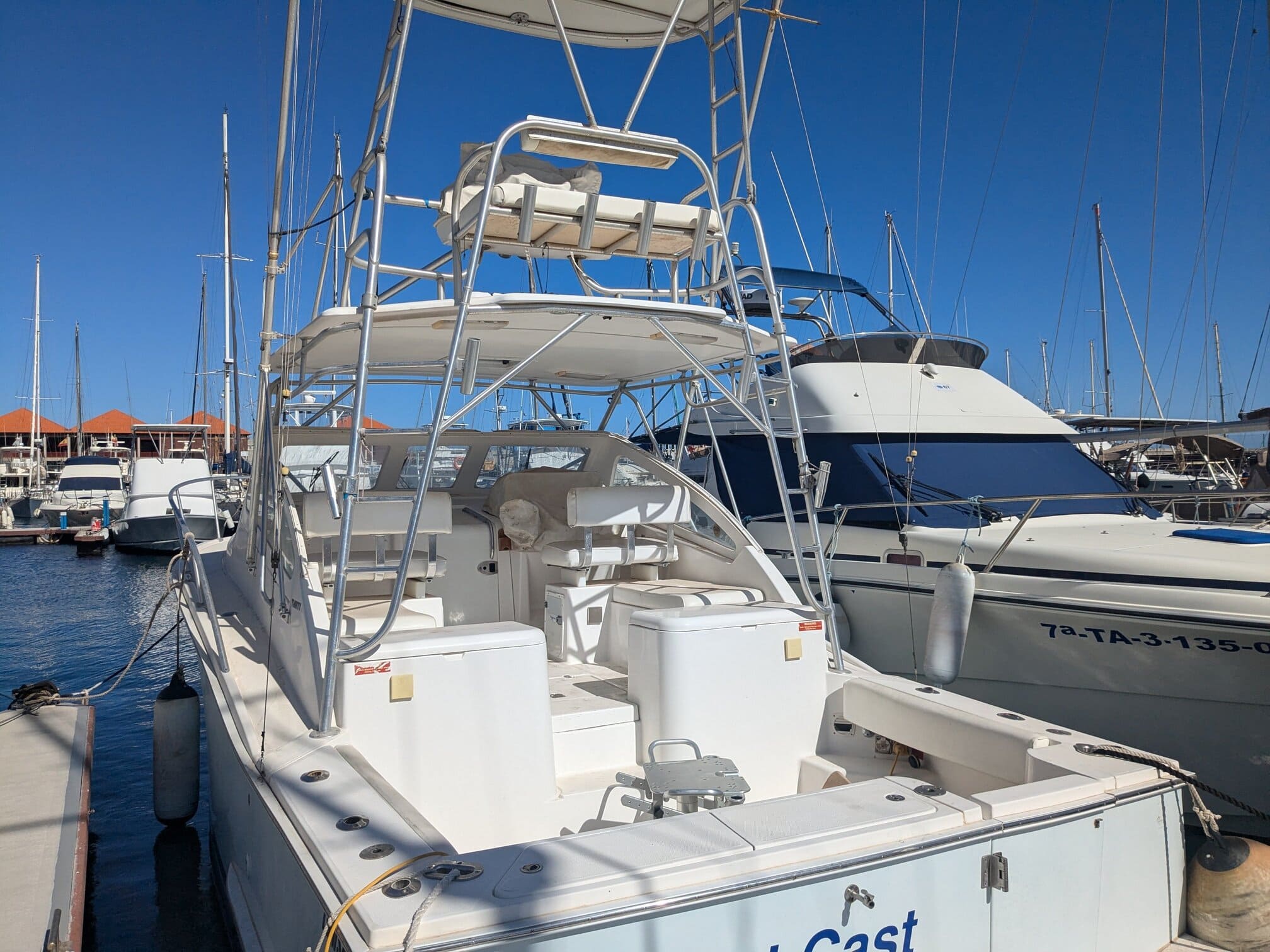
What Can a Mobile Boat Mechanic Fix On-Site?
A skilled mobile boat mechanic can handle the majority of repairs most boat owners encounter, right at your dock, slip, or home ramp. Engine diagnostics, electrical faults, fuel system work, and routine maintenance are all fair game without ever leaving the water. The jobs that genuinely require a haul-out are fewer than most people assume, and knowing the difference saves you time and money. Learn more about Mobile Boat Repair Charleston.
The Honest Scope of Dockside Repair
Modern mobile mechanics carry diagnostic laptops, specialty tools, and a working inventory of common parts, which means the gap between a shop visit and a dockside call has narrowed considerably. Outboard and sterndrive engines can be fully serviced, diagnosed, and in many cases rebuilt in the water. Electrical systems, from dead batteries and corroded connections to faulty bilge pumps and chartplotter wiring, are routine dockside work. Fuel system repairs including injector cleaning, fuel pump replacement, and VST service are also well within reach at your slip in Charleston, where the warm, humid climate accelerates exactly those kinds of failures.
Engine and Mechanical Work a Mobile Tech Can Tackle
Engine work makes up the bulk of most mobile calls. A technician can perform full tune-ups, impeller and water pump replacements, thermostat swaps, spark plug and ignition coil service, and lower unit gear oil changes without any special yard infrastructure. Compression and leak-down tests, throttle and shift cable adjustments, and trim and tilt motor repairs are equally straightforward at the dock. For inboards and sterndrives, raw water pump service, heat exchanger flushes, and bellows inspections can all be completed in the water provided the boat is not actively taking on water through a damaged through-hull.
Outboard-specific work covers carburetor rebuilds on older motors, fuel injector diagnostics on modern EFI engines, and full powerhead assessments. If a powerhead or lower unit needs replacement, that swap can often happen dockside as well, since the mechanic is working from the outside of the transom rather than inside a confined engine bay.
- Full tune-ups and seasonal maintenance
- Impeller, water pump, and thermostat replacement
- Fuel pump, VST, and injector service
- Lower unit removal and gear oil service
- Trim and tilt motor repair
- Throttle, shift, and steering cable adjustment
Common On-Site Repairs vs. Jobs That Need a Yard
Use this breakdown to set realistic expectations before you call.
Electrical Diagnosis:
Tracing shorts, replacing switches, wiring accessories, and servicing battery banks are all dockside-friendly jobs that require no haul-out.
Cooling System Service:
Impeller replacement, thermostat swaps, and raw water flush kits can be completed at the dock on most outboard and sterndrive setups.
Fuel System Repairs:
Fuel pump replacement, injector cleaning, primer bulb and fuel line swaps, and VST service are standard mobile work on both outboards and inboards.
Hull and Running Gear:
Propeller swaps and minor shaft seal checks can happen in the water, but hull blistering, keel repairs, and shaft or strut work require a haul-out.
Bilge and Plumbing:
Bilge pump replacement, hose repairs above the waterline, and livewell pump service are routine dockside tasks in most situations.
Major Structural Work:
Fiberglass repairs, through-hull replacements, and anything requiring the boat to be fully dry and stable on stands must be done at a boatyard.
Why Charleston's Conditions Make Mobile Service Practical
Charleston's network of marinas, private docks, and public ramps means most boats are already in an accessible location when something goes wrong. The tidal range here is manageable enough that a mechanic can work a full job during a single tide window without the boat shifting dramatically. Salt air and brackish water accelerate corrosion on connectors, anodes, and cooling passages, so the most common failures in this area are exactly the kind of maintenance and repair work a mobile technician handles every day. Getting those issues addressed at your slip rather than trailering to a yard keeps the boat in the water and cuts the total time a repair takes from days to hours.
Related Guides
Previous: How Much Does Mobile Boat Repair Cost in Charleston? | Next: Signs Your Boat Needs a Repair Call Before the Next Trip
Frequently Asked Questions
Can a mobile mechanic work on my boat while it's still in the water?
Yes, for the vast majority of repairs. Engine service, electrical work, fuel system repairs, and routine maintenance are all designed to be performed with the boat floating. The main exceptions are anything that requires the hull to be dry, such as bottom paint, blister repair, or through-hull replacement.
What if the mechanic needs a part that isn't on the truck?
Most experienced mobile technicians stock the parts most commonly needed for the brands they service, and they can usually source additional parts same-day or next-day from local marine suppliers. It is worth asking when you book whether the tech carries inventory for your engine make and model.
Is mobile boat repair more expensive than taking the boat to a shop?
Labor rates are often comparable, and when you factor in the cost of trailering, storage fees at a yard, and the time lost waiting in a queue, mobile service frequently works out to be the more economical option for repairs that can be done dockside. You pay for the convenience of the mechanic coming to you, but you avoid several other costs.
Can a mobile mechanic diagnose my engine with a computer?
Yes. Professional mobile technicians carry manufacturer-level diagnostic software for major outboard and sterndrive brands. They can read fault codes, view live sensor data, and perform electronic calibrations at your dock the same way a dealership shop would.
What should I have ready before the mechanic arrives?
Clear access to the engine, a working shore power connection if available, and any service history you have for the boat will all help the job go faster. If you know the specific symptom or fault code, share that when you book so the technician can bring the most likely parts.
How do I know if my repair actually requires a haul-out?
A good mobile mechanic will tell you honestly during the initial call or assessment if the job is beyond what can be done safely in the water. If the repair involves the hull below the waterline, the running gear, or structural fiberglass, a haul-out is typically necessary. For everything else, assume dockside service is possible until the technician says otherwise.