
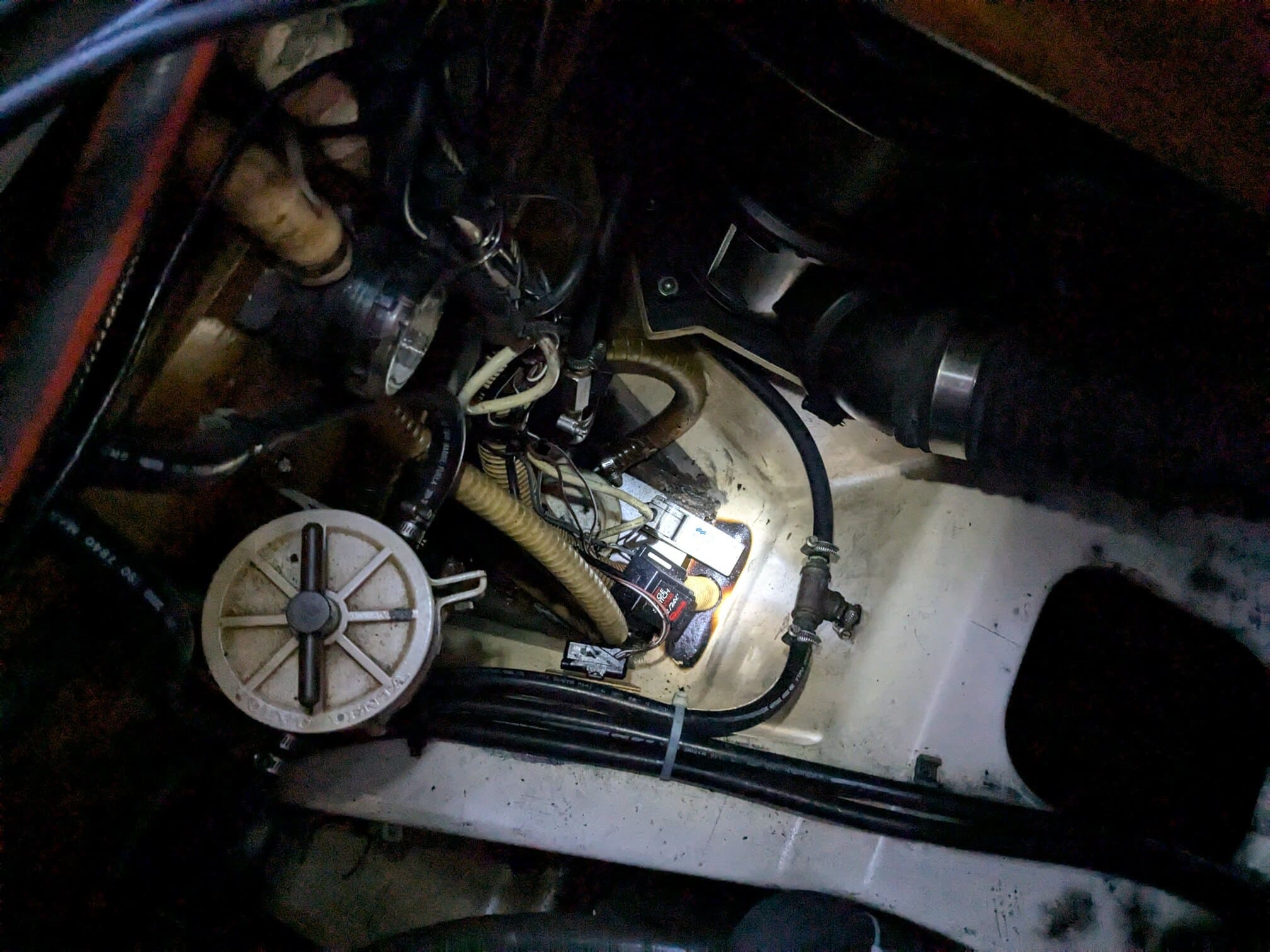
Understanding <a href="https://charlestonharborboatrepair.com/on-board-plumbing/">On-Board Plumbing</a>
Whether you’re outfitting a recreational vehicle, a tiny home on wheels, or a custom trailer, on-board plumbing is the network of pipes, fittings, tanks, and fixtures that delivers fresh water and removes waste — all within a self-contained system. Unlike a traditional home connected to a municipal supply, on-board systems must manage water storage, pressure, and drainage independently. Getting this right from the start saves you from costly repairs, water damage, and the frustration of being without water when you need it most.
How On-Board Plumbing Systems Are Structured
Most on-board systems share a few core components:
- **Fresh water tank** — stores potable water drawn from a fill point on the exterior
- **Water pump** — pressurizes the system so water flows to taps, showers, and toilets
- **Hot water heater** — typically a compact tankless or small-tank unit suited to limited space
- **Grey water tank** — collects drain water from sinks and showers
- **Black water tank** — holds waste from toilets and requires proper venting and regular emptying
Each component must be sized correctly for the number of occupants and the intended use. A weekend camper has very different demands from a full-time liveaboard or a mobile service vehicle that needs running water throughout the workday.
Common Problems and How to Spot Them Early
On-board plumbing operates in a demanding environment. Vibration from travel, temperature swings, and limited space for maintenance access all contribute to wear over time. Here are the issues that come up most often:
**Low water pressure** is usually caused by a failing pump, a clogged filter, or a partially closed valve. Check the inline filter first — it’s the simplest fix and is often overlooked.
**Persistent odours** from drains or tanks typically point to a venting problem or a tank that hasn’t been flushed thoroughly. Grey water tanks are a frequent culprit because food particles and soap residue build up faster than most people expect.
**Slow leaks around fittings** are especially common after a long trip. Road vibration gradually loosens push-fit and compression fittings. A visual inspection of all accessible connections after every major journey is a smart habit.
**Frozen pipes** become a risk the moment temperatures drop below freezing. Insulating exposed lines and keeping tank heater pads in good working order is far cheaper than dealing with a burst pipe mid-trip.
Maintenance Tips That Extend the Life of Your System
A well-maintained on-board plumbing system can last many years without major intervention. A few consistent habits make a big difference:
1. **Sanitise the fresh water tank at least once a season.** A diluted bleach solution run through the system, followed by a thorough flush, keeps bacteria and biofilm from building up. 2. **Inspect and replace pump filters regularly.** Most manufacturers recommend checking them every few months under normal use. 3. **Winterise properly if the vehicle or vessel will sit unused in cold weather.** Drain all lines completely or use a food-safe antifreeze rated for potable water systems. 4. **Check seals and gaskets on tank connections annually.** Rubber degrades over time, especially when exposed to UV light or cleaning chemicals. 5. **Keep a basic spares kit on board.** A few push-fit connectors, a spare pump fuse, and some PTFE tape can turn a potential disaster into a ten-minute fix.
When to Call a Professional Plumber
Some on-board plumbing tasks are well within the reach of a confident DIYer — replacing a faucet cartridge, tightening a loose fitting, or swapping a pump filter. Others are better left to a qualified professional:
- Installing or relocating tanks, which requires proper venting and structural mounting
- Diagnosing pressure drops that don’t have an obvious cause
- Connecting to propane-fed water heaters, where gas line work is involved
- Repairing or replacing black water tank valves, which carry real sanitation risks if handled incorrectly
A local plumber experienced with mobile or compact systems will have the right tools and know-how to get the job done safely and up to code. It’s also worth having a professional assess the system when buying a used RV, boat, or trailer — hidden plumbing issues are one of the most common and expensive surprises new owners face.
Final Thoughts
On-board plumbing is a small but critical system that directly affects comfort, hygiene, and the long-term condition of your vehicle or vessel. Understanding how it works, staying on top of routine maintenance, and knowing when to bring in expert help will keep everything running smoothly — whether you’re parked on a campsite for the weekend or living on the road full time.