
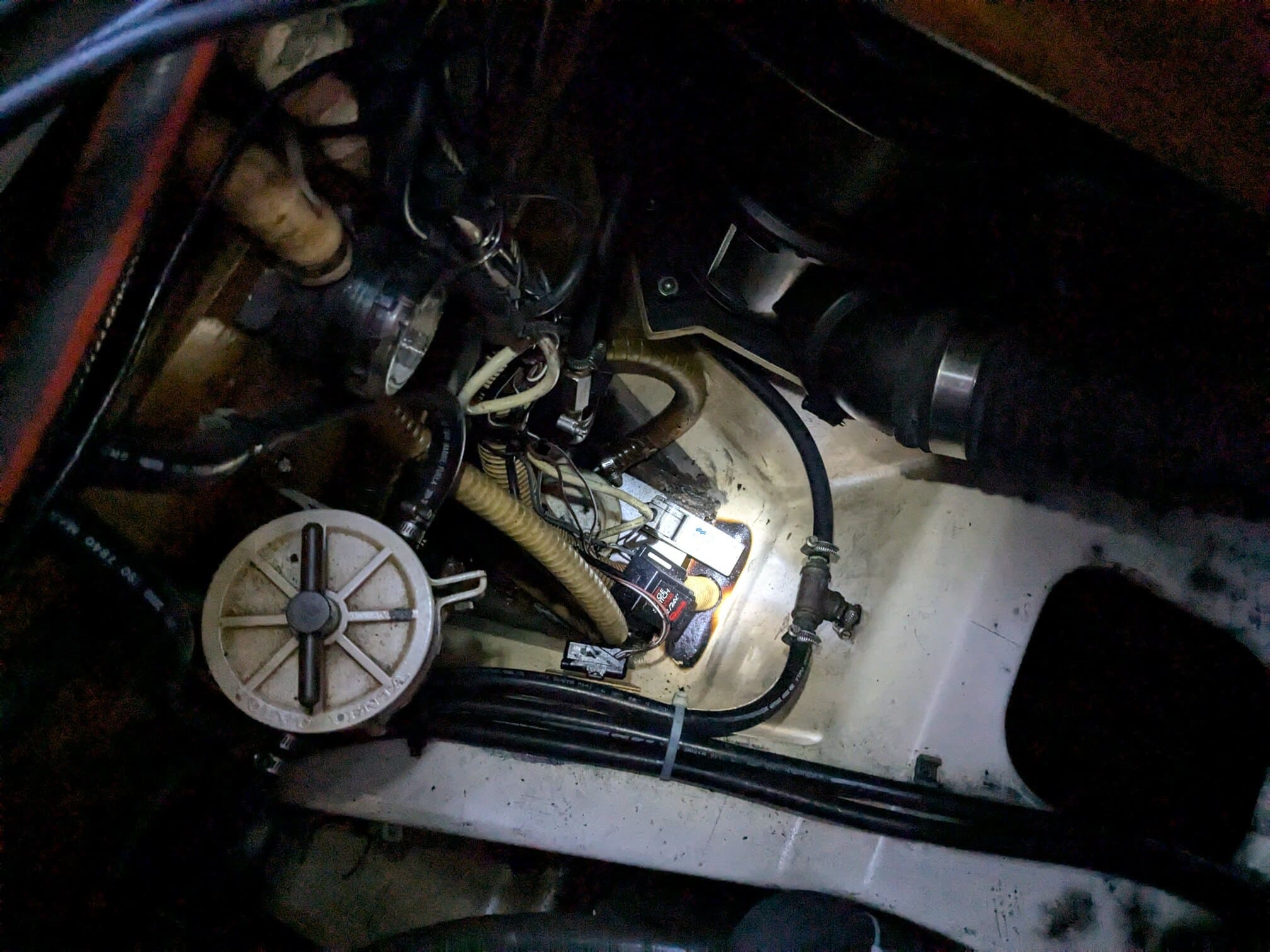
Understanding <a href="https://charlestonharborboatrepair.com/on-board-plumbing/">On-Board Plumbing</a>
If you’ve ever had a plumber talk about your home’s internal water distribution system, you may have heard the term on-board plumbing. This refers to the network of pipes, valves, fittings, and fixtures that are permanently integrated into a structure — whether that’s a residential home, a commercial building, or a self-contained unit like a caravan, boat, or mobile workspace. Understanding what this system involves helps you make smarter decisions about maintenance, repairs, and upgrades before small issues turn into costly emergencies.
How On-Board Plumbing Differs from Standard Plumbing
Traditional plumbing in a fixed building connects to a municipal water supply and a permanent drainage system. On-board systems, by contrast, are often self-contained or semi-independent. They may rely on onboard water tanks, pressure pumps, or dedicated filtration units rather than a continuous mains connection.
This distinction matters because the components used in self-contained systems are specifically designed to handle pressurisation, space constraints, and movement (in the case of vehicles or vessels). Using standard household fittings in these environments can lead to leaks, pressure failures, or corrosion far sooner than expected. A qualified local plumber familiar with these systems will know which materials and configurations suit your specific setup.
Common Components and Their Roles
A well-functioning on-board plumbing system typically includes several key components working together:
- **Water storage tanks** — hold fresh water for use when a mains connection isn’t available
- **Pressure pumps** — maintain consistent water flow throughout the system
- **Check valves and regulators** — prevent backflow and protect appliances from pressure spikes
- **Flexible hose connections** — allow for movement and vibration without cracking
- **Grey water tanks or drainage lines** — collect and route wastewater safely away
Each of these components requires periodic inspection. A single faulty valve or a small crack in a flexible hose can compromise the entire system, leading to water damage, contamination, or loss of water supply at the worst possible time.
Signs Your System Needs Attention
Because on-board systems are often tucked away in tight spaces — under floors, behind panels, or within cabinetry — problems can go unnoticed until they become serious. Watch out for these warning signs:
- **Reduced water pressure** at taps or showerheads, which may indicate a failing pump or a blockage
- **Unusual sounds** from the pump cycling on and off repeatedly, often a sign of a small leak somewhere in the line
- **Discoloured or odorous water**, which can point to tank contamination or corroding fittings
- **Visible moisture or staining** around pipe connections, panels, or flooring
- **Slow drainage** that suggests a partial blockage in the grey water lines
If you notice any of these issues, it’s worth calling a local plumber promptly. Catching problems early is almost always less expensive than dealing with the damage that results from ignoring them.
Maintenance Tips to Keep Things Running Smoothly
Regular maintenance is the most effective way to extend the life of your system and avoid unexpected failures. Here are practical steps you can take:
1. **Flush and sanitise water tanks** at least once a year, or more frequently if the system sits unused for extended periods. Stagnant water encourages bacterial growth and can affect taste and safety. 2. **Inspect all visible hose connections and fittings** for signs of wear, cracking, or mineral build-up, especially after periods of heavy use or temperature extremes. 3. **Test your pressure pump** periodically to confirm it reaches and holds the correct operating pressure. A pump that struggles to maintain pressure is a pump that’s nearing the end of its service life. 4. **Check your grey water drainage** for slow flow or unpleasant odours, and clear any blockages before they back up into the system. 5. **Have a qualified plumber carry out a full inspection** every year or two, particularly if your setup is used regularly or exposed to harsh conditions.
When to Call a Local Plumber
Some maintenance tasks are well within the reach of a capable DIYer, but anything involving pressurised lines, tank connections, or pump installation should be handled by a licensed professional. Working with pressurised water systems without the right tools and knowledge can result in injury, property damage, or a repair bill far larger than the original job would have cost.
A local plumber with experience in self-contained and integrated water systems will be able to assess your setup accurately, source the right components, and carry out repairs to a standard that keeps your system safe and compliant. Don’t wait until a minor issue becomes a major one — proactive care is always the better investment.